Newsletter Subscribe
Enter your email address below and subscribe to our newsletter
Enter your email address below and subscribe to our newsletter

 BySonu
The 0.0.102 Private Network Setup Guide presents a disciplined framework for creating an isolated, secure subnet. It emphasizes auditable practices, controlled access, and vendor neutrality. Hardware choice, topology, and scalable privacy-preserving interfaces are addressed alongside encryption and transparent benchmarks. The guide outlines a boot-to-connectivity workflow with static addressing and essential services, followed by rigorous testing and maintenance. The path forward is clear, but practical decisions hinge on concrete criteria that warrant cautious progression.
A 0.0.102 private network refers to a non-public, isolated subnet designed to support secure, internal communication between devices. It enables controlled access, traceable interactions, and predictable performance within a defined boundary. This framework emphasizes privacy metrics and vendor neutrality, ensuring evaluators compare solutions impartially. By design, it reduces exposure and promotes freedom through transparent, auditable networking practices and standardized security baselines.
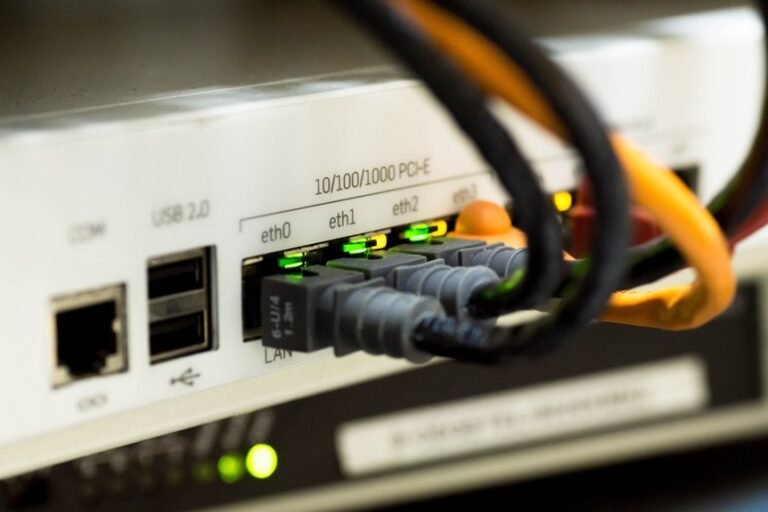
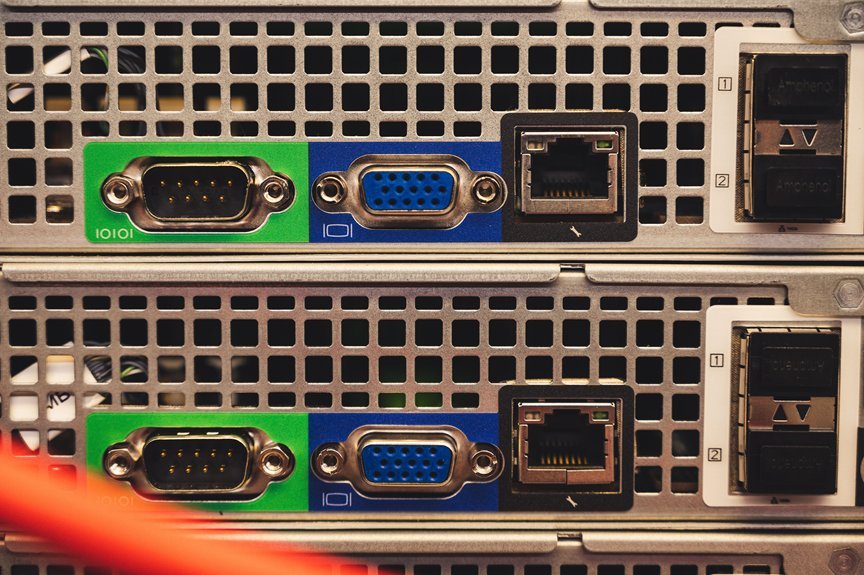
Hardware selection and network topology form the foundation of a private network’s reliability and security. Choosing hardware and Topology design decisions determine performance, resilience, and control. Privacy considerations guide interface selection, encryption capability, and isolation strategies. The design must anticipate Network scaling, ensuring capacity and modular growth without compromising privacy or manageability. A disciplined approach yields a robust, freedom-centric Private Network.
The process begins with preparing the system and verifying prerequisites to establish a reliable baseline for initial connectivity. After boot, configure core network interfaces, assign static addresses, and enable essential services. Document each step to maintain reproducibility.
idea one emphasizes minimalism; idea two reinforces deliberate testing. This method avoids excess, delivering a concise, disciplined path toward functional, resilient private networking.
Security, testing, and maintenance practices build on the established baseline by outlining structured approaches to risk management, ongoing validation, and enduring reliability.
The detached assessment emphasizes continuous privacy auditing, formal change control, and documented incident response.
Firmware hardening, patch governance, and configuration baselines reduce exposure.
Regular audits, automated testing, and clear responsibilities ensure sustainable privacy protection and predictable network resilience for freedom-minded operators.
The private network demonstrates solid scalability, given growth strategies and deployment patterns. It addresses compatibility concerns, security implications, monitoring approaches, and data replication, while planning failure recovery, latency optimization, network segmentation, and scalability considerations for long-term expansion.
Approximately 62% of respondents prioritize safety in mixed environments; can 0.0.102 mix with public networks safely? It faces security risks and ip routing complexities that require strict segmentation and continuous monitoring for trusted interconnections.
Latency variability can increase modestly, contingent on routing and isolation quality; typical impact remains within tens of milliseconds under stable conditions. Fault tolerance improves by segregating traffic, while redundancy moderates spikes, preserving performance integrity and user freedom.
Monitoring tools and Network monitoring are recommended for this network. They provide continuous visibility, alerting, and performance trends. A methodical, authoritative approach favors open-source and enterprise solutions, balancing control and freedom with data integrity and privacy considerations.
Unparalleled resilience—recovery strategies enable rapid node restoration with no downtime. The system implements redundancy, automated failover, state synchronization, and health checks to maintain continuity. Downtime avoidance is achieved through proactive testing and deterministic recovery workflows.
In the quiet harbor of isolated circuits, the 0.0.102 private network stands as a steadfast lighthouse. Each component—hardware, topology, and boot sequence—acts as a patient mariner, steering decisions with auditable precision. Risks are mapped like tide charts; encryption serves as ballast, keeping the vessel stable. Through disciplined testing and vigilant maintenance, the network endures beyond weather and time. When connections finally anchor, privacy and control endure, a trusted fleet awaiting the next deliberate voyage.