Newsletter Subscribe
Enter your email address below and subscribe to our newsletter
Enter your email address below and subscribe to our newsletter

 BySonu
The guide outlines a methodical approach to configuring the 0.0.143 router, beginning with unboxing, power connections, and LED indicators. It emphasizes securing the network with a unique SSID, strong WPA3 passphrase, and an enabled firewall while disabling WPS. Performance is addressed through bandwidth controls, QoS, and channel optimization. Troubleshooting steps are provided for common issues, plus recovery and rollback options. The process promises a disciplined path, but a critical step or potential caveat awaits clarification.
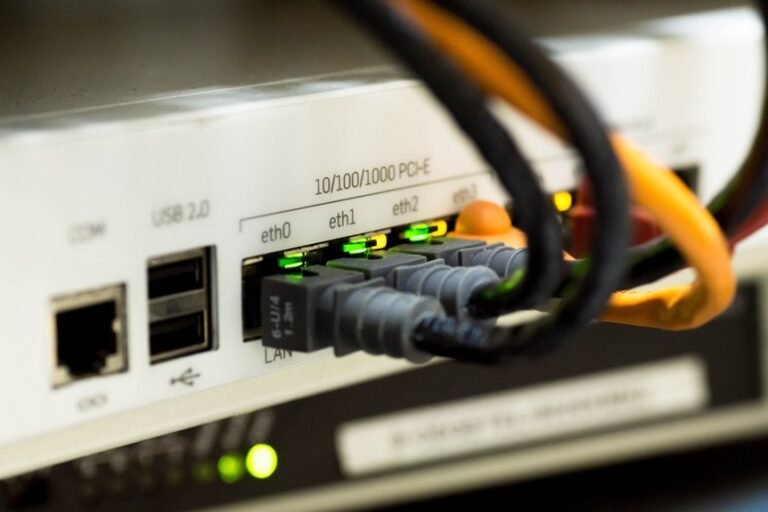
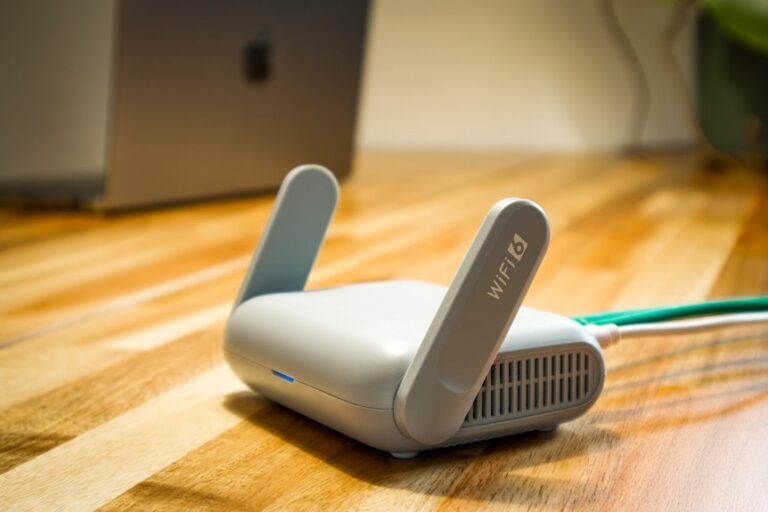
Power on and begin by inspecting the router and its contents. The unboxing experience is documented, noting model 0.0.143, adapters, cables, and manuals.
A precise power on sequence follows: verify power connections, monitor LEDs, and ensure initial boot completes without fault indicators.
This section emphasizes clarity, autonomy, and readiness for advanced configuration, without delving into subsequent network hardening steps.
Setting up basic wireless security begins with naming the network, assigning a strong passphrase, and enabling a firewall to block unsolicited access; these steps establish a foundational defense prior to advanced configuration.
The setup guide emphasizes unique SSIDs, WPA3 where available, and consistent password updates.
Security tips include disabling WPS, monitoring connected devices, and applying firmware updates for ongoing protection.
To optimize network performance after establishing basic security, the guide concentrates on bandwidth management, Quality of Service (QoS), and channel configuration. It outlines prioritization rules, traffic shaping, and suitable queue profiles, enabling consistent service levels. Emphasis rests on optimizing throughput and minimizing latency while reducing interference through precise channel selection, transmit power tuning, and concurrent load balancing for resilient, freedom-oriented network operation.
Troubleshooting this router setup requires a disciplined approach: identify symptoms, reproduce issues, and apply tested fixes in a structured sequence.
The guide presents common problems, with clear, repeatable procedures.
Emphasis remains on disaster recovery planning, minimal downtime, and documented steps.
When issues persist, a firmware rollback may restore baseline behavior while preserving configuration, enabling controlled, reversible remediation.
Precision aids decisive, freedom-centered restoration.
Yes, it is possible: the device supports a manual update via offline firmware. A user downloads the correct firmware package, transfers it to the router, and applies it through the admin interface, ensuring compatibility and verification before reboot.
Ironically, the answer says: a factory reset cannot retain licenses; only backup restore configuration preserves them. During a firmware offline update, encryption standards and guest network time limits remain documented, with license preservation awaiting successful backup restoration and reactivation.
Yes, the device supports a guest network with configurable time limits, while maintaining encryption standards; firmware update, manual without internet, and configuration backup are available. A factory reset preserves licenses; encryption remains intact, licenses unaffected.
Encryption standards supported include WPA3, WPA2, and AES-based schemes; firmware update ensures latest protocols. The device maintains robust cipher suites, delivering secure throughput while prioritizing user autonomy, clarity, and precise configuration, avoiding default reliance on outdated encryption.
To back up configuration, the router provides a backup configuration export and restore settings option; firmware update without internet can be performed offline. It preserves factory reset licenses, guest network time limits, and encryption standards supported.
In summary, the 0.0.143 setup yields a secure, efficient network when basic steps are followed: unbox, connect, and boot to verify LEDs; configure a unique SSID, strong WPA3 passphrase, and firewall; optimize QoS, channel, and transmit power; and maintain firmware and password hygiene. Like a skilled conductor tuning an orchestra, precise settings align performance with security. A single firmware update or password rotation can prevent a discordant note from turning into a costly outage.