Newsletter Subscribe
Enter your email address below and subscribe to our newsletter
Enter your email address below and subscribe to our newsletter

 BySonu
The guide on 168.122 router login and configuration presents a precise, stepwise approach. It outlines locating the default IP, accessing the login page, and establishing initial credentials with clear policy guidance. It then covers wireless optimization, security hardening, and ongoing management. Procedures are described in concise, repeatable terms, with emphasis on auditable access and proper device isolation. The document ends with a practical reminder of keeping firmware current, a step that invites further, careful examination.
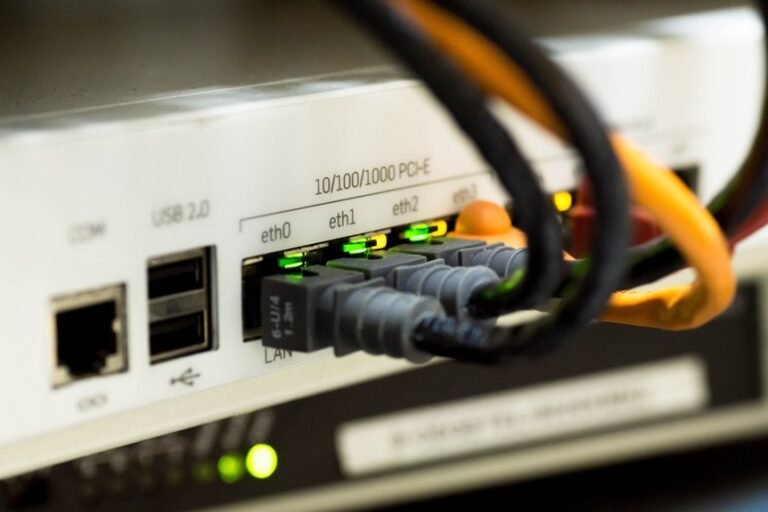
To access the 168.122 router login page, connect a device to the router via Ethernet or Wi-Fi and determine the router’s default IP address from the user manual or the label on the device. Once identified, open a browser and enter the IP. The page presents access login prompts and router access options for initial inspection and configuration.
Access to the router should be followed by establishing a secure login. The procedure mandates unique secure credentials, enforced password policies, and multi-factor options where available. Document initial setup steps, including administrator rights, time zone, and firmware validation.
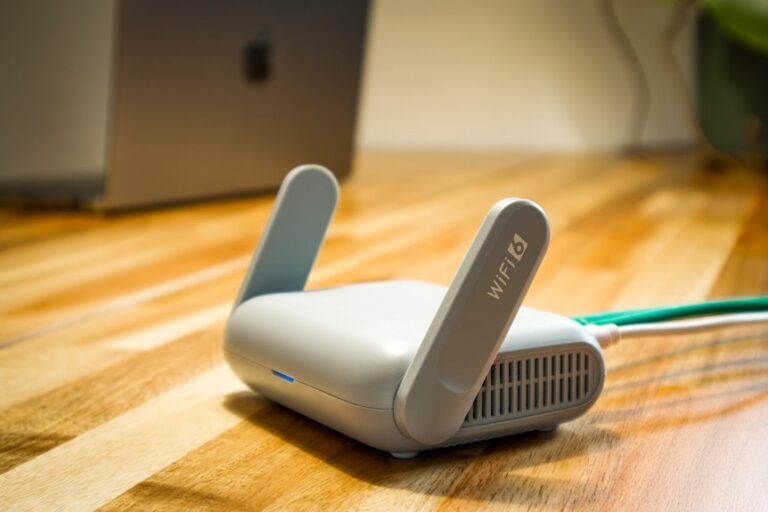
Configure wireless optimization, guest networks, and client isolation to preserve security while preserving freedom to connect. Verify changes and log activities.
Wireless performance hinges on systematic calibration of radio settings, channel selection, and traffic management to maximize speed and stability across devices.
The guide specifies discrete parameters: assign non-overlapping channels, enable QoS prioritization, and limit airtime for high-demand devices.
To optimize bandwidth, document optimal AP placement and transmission power; troubleshoot interference with spectrum analysis, firmware updates, and regular performance audits.
This section outlines the core security features of a router: configuring the firewall to filter unwanted traffic, implementing parental controls to manage content and access times, and establishing a segregated guest network to isolate visitors from the main devices and data.
The device uses secure firmware, enables device quarantine when anomalies are detected, and provides precise, auditable access controls for freedom.
If a forgetful admin cannot recall the password, perform password recovery using router’s reset procedure, then reconfigure with secure credentials. The procedure aligns with networking basics and router nomenclature, ensuring preserved settings while updating forgotten credentials.
A cautious reset procedure restores default settings: power cycle, hold the reset button for 10–15 seconds, then access the web interface to complete factory reset. Admin password resets via password recovery, reconfigure network, secure with new credentials.
Yes, it is possible to change IP address on most routers. Follow the admin interface, locate LAN settings, set a new gateway IP, apply changes, reboot if required, and implement security best practices to protect access and devices.
VPN setup on this router requires enabling VPN pass-through or built-in VPN server/client, configuring authentication, and applying firewall rules; then test connectivity. The procedure emphasizes secure, flexible access while preserving local network autonomy and performance.
The router’s capabilities include Mesh integration, subject to firmware updates. It supports mesh features only after applicable Firmware updates; without updates, mesh functionality is unavailable. Users should monitor official release notes and apply firmware promptly for mesh compatibility.
In the quiet hum of devices, a doorway appears only to the prepared. Those who log in with unique keys and watchful habit establish a digital garden where doors close behind them. Like a seasoned navigator tracking stars, they align channels, tune protections, and log every step. The guide, a compass and map, whispers that security is never a one-time act but a practiced discipline—an invisible boundary that keeps the network’s truth intact as it grows.