Newsletter Subscribe
Enter your email address below and subscribe to our newsletter
Enter your email address below and subscribe to our newsletter

 BySonu
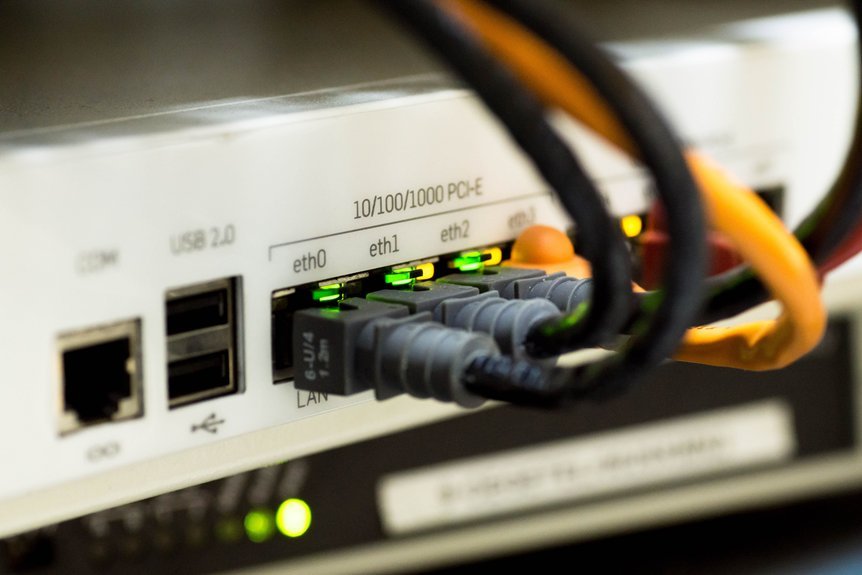
The 168.100.16 Router Login and Network Guide presents a precise workflow for initial access and ongoing management. It outlines step-by-step login procedures, rapid post-login configuration of SSID, security, and device limits, and a structured approach to ongoing maintenance. The guidance emphasizes firmware updates, network segmentation, and strict firewall rules. It also highlights troubleshooting scenarios that commonly arise, inviting further exploration to ensure robust, adaptable network control. Further considerations await.
To log in to 168.100.16, access the router’s web interface by entering http://168.100.16 in a web browser. The process centers on authenticated access, using defined login credentials. Users interact with router interfaces to reach the administrative portal, navigate security and management options, and establish session validity. Clear credentials ensure stable configuration, precise control, and freedom from exposure.
After logging in, the router’s Quick Network Setup focuses on configuring essential wireless parameters: SSID naming, security mode, and password strength. The interface presents a concise sequence: assign a memorable SSID, select a robust encryption (WPA3 preferred), set a strong passphrase, and confirm device access limits. This quick network streamlines post setup security while preserving user autonomy and clarity.
The security foundation established during initial setup informs the ongoing protection strategy for the 168.100.16 router. This section outlines disciplined practice: perform regular security audits, schedule firmware updates, enforce network segmentation, manage guest access, implement strict firewall rules, and configure parental controls. Clear policies minimize risk while preserving user freedom and straightforward administrative control across the network.
Common login and connection issues on the 168.100.16 router are summarized here for rapid diagnosis: users may encounter authentication prompts failing, devices reporting no internet, or inconsistent wireless visibility.
This section presents concise steps: verify credentials, check firmware, confirm IP consistency, reset session, and review wireless settings.
unrelated topic and random discussion are kept outside diagnostic scope for focused resolution.
Yes, it is possible. The device can be reached via internet access when remote connections are enabled and port forwarding or a VPN is configured; however, mobile data must route traffic to the router’s public IP, often with NAT traversal.
Reset procedures require locating the reset button, holding it firmly, and awaiting reboot; then reconfigure essentials. The guide emphasizes firmware updates afterward to ensure security and stability, maintaining freedom through precise, structured steps and careful verification.
The device may support a guest network feature, depending on firmware version and model; however, compatibility varies. For concrete confirmation, verify device compatibility and consult the admin interface or official release notes before enabling guest network settings.
Parental restrictions can be configured, enabling device-specific controls, content filters, and time limits. Network scheduling allows defined access windows. The router supports these features through the admin interface, offering precise, flexible options aligned with user autonomy and network security.
The default credentials grant admin access; the standard username is admin with a factory password often labeled on the device. If absent, check the router label or manual. For security, change credentials after first login.
The guide closes like a well-oiled control room: a glow of the admin portal illuminating a tapestry of settings. Each click carves a crisp path through SSIDs, keys, and limits, while firewalls stand sentinel in orderly rows. Firmware updates drift in like steady rain, audits track every change, and segmentation maps keep traffic deliberate. In this engineered calm, security and usability converge, granting confident, ongoing mastery of the network beneath a shield of disciplined administration.