Newsletter Subscribe
Enter your email address below and subscribe to our newsletter
Enter your email address below and subscribe to our newsletter

 BySonu
The guide on the 168.50.100 router login and network setup presents a structured, methodical approach to onboarding and securing a home network. It emphasizes direct access, robust admin protection, and reliable WAN and wireless configuration. Practical controls for SafeBrowsing, time limits, and device prioritization are outlined alongside centralized governance and audit considerations. Key troubleshooting steps are provided with cautious reset procedures. The framework invites careful implementation, inviting further detail on implementation nuances and potential edge cases.
To access the 168.50.100 router login, the user should connect a device to the router via Ethernet or Wi‑Fi and ensure the device uses a network configuration compatible with the router’s default settings.
The procedure maintains accessibility features and supports firmware updates, emphasizing controlled access, stable credentials, and direct navigation to the admin interface for precise configuration and monitoring.
Initial setup for the 168.50.100 router begins with a precise, methodical configuration of WAN, wireless, and admin security settings. The approach emphasizes controlled access, stable firmware, and clear policy. Security concerns are addressed through firmware updates and robust authentication. Device prioritization and guest access are defined, ensuring freedom to optimize performance while maintaining rigorous, transparent boundaries for all connected networks.
Essential Parental Controls and Network Management addresses how the router enforces SafeBrowsing and time-based access while preserving core performance.
The system provides granular controls, enabling paranoid parenting without restricting essential freedoms.
It supports bandwidth budgeting, prioritizing critical devices, and logging activity for accountability.
Settings are centralized, auditable, and scalable, ensuring compliant, transparent governance of family networks and personal autonomy.
When issues arise with the 168.50.100 router, a systematic troubleshooting approach ensures rapid diagnosis and reliable remediation.
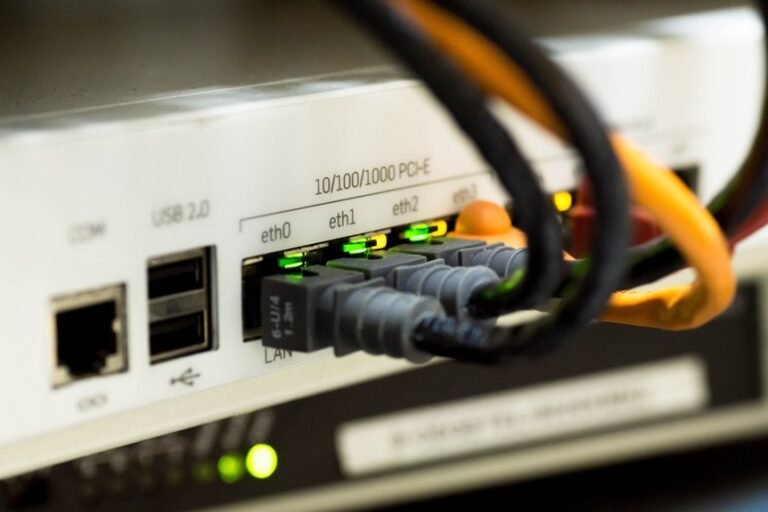
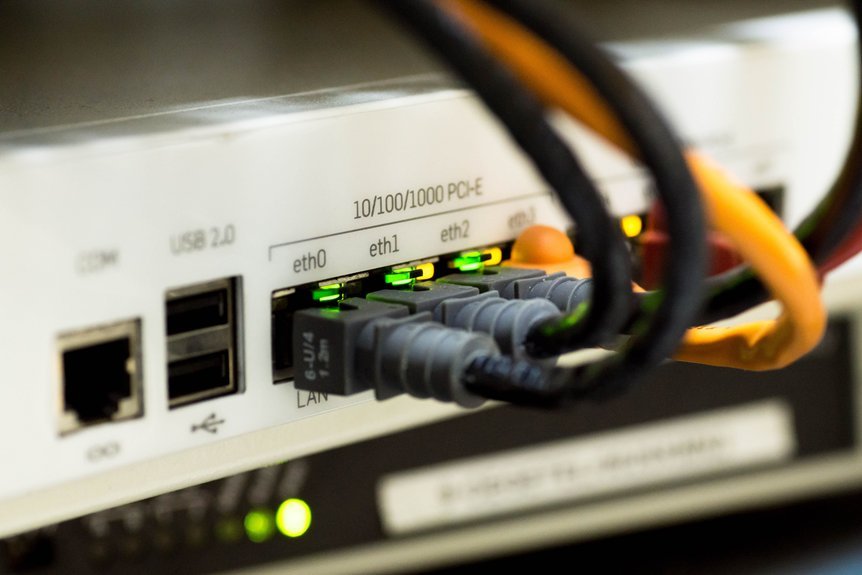
The guide emphasizes methodical checks: verify firmware, reset defaults cautiously, inspect cables, and confirm WAN/LAN activity.
Prioritize network security by updating passwords and enabling encryption.
Employ device monitoring to detect anomalies, isolate faults, and apply targeted fixes without disrupting essential connectivity.
Firmware cadence should be quarterly for critical devices, with immediate updates for critical vulnerabilities. The approach aligns with security best practices; regular reviews ensure compliance and minimize risk while preserving user autonomy and network performance.
Mounting options exist; ceiling or wall installation is possible with proper hardware. Installation considerations include ventilation, access to ports, cables, and heat dissipation. The device should be securely supported, level, and compliant with mounting guidelines.
Yes, the device supports guest network isolation, enabling separate traffic for guests. It enforces router isolation between guest and main networks, safeguarding internal resources while preserving user freedom to configure access policies and bandwidth controls.
The maximum wireless throughput is determined by device specifications and environment. Two word discussion ideas include Wireless Security and Mesh Networking; performance varies. In practice, throughput scales with channel width, hardware capabilities, and interference, supporting a measured, freedom-focused approach.
“Recovery resembles a reset clock.” The approach is methodical: verify identity, use secure backup, follow vendor-supported recovery steps, then enforce password entropy; avoid default or shared credentials, document changes, and store access data for future independence.
The guide presents a precise, methodical path to secure, autonomous household networking via the 168.50.100 router. By validating WAN and wireless setup, strengthening admin security, and integrating thoughtful parental controls, families gain trustable control and ongoing governance. An anticipated objection—complexity—is addressed by emphasizing centralized oversight, clear audit trails, and straightforward, repeatable steps. The result is resilient, compliant connectivity that remains accessible during login, with dependable updates and disciplined device prioritization sustaining stable, safe internet for all users.