Newsletter Subscribe
Enter your email address below and subscribe to our newsletter
Enter your email address below and subscribe to our newsletter

 BySonu
The 168.3.101 Router Network Setup Guide presents a concise, stepwise framework for unboxing, configuring admin access, and establishing WAN and DNS settings. It emphasizes solid wireless basics, security hardening, and ongoing performance tuning. Each section targets verifiable results, from throughput to latency and channel management. While the procedures are clear, practical validation and remediation steps remain pivotal, inviting the reader to apply these controls in real-world scenarios and uncover where further adjustments are warranted.
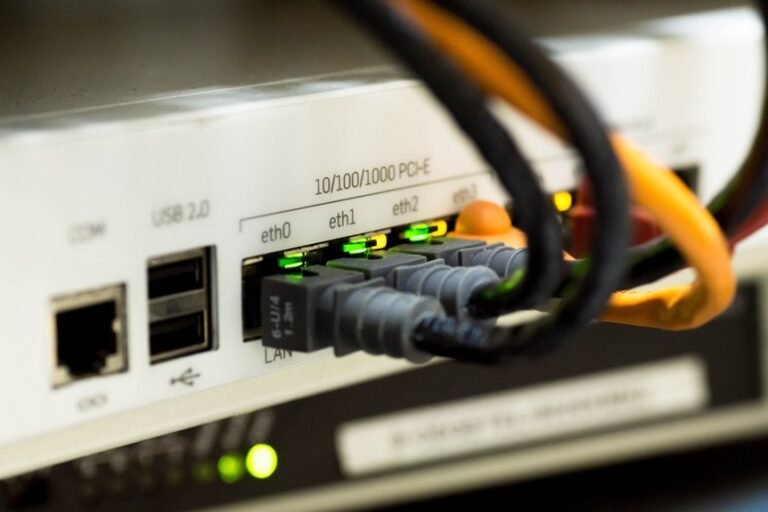
The 168.3.101 router should be unboxed on a flat, stable surface, with the power adapter, Ethernet cable, and quick-start guide accounted for.
The procedure covers unboxing essentials and a кабель sanity check, ensuring components are intact and cables connect properly.
Final inspection confirms port alignment, label legibility, and absence of damage before setup proceeds.
Access to the admin panel is gained by connecting a computer to the router via Ethernet and entering the default IP address in a web browser. Once loaded, navigate the interface to configure WAN settings, DNS, and basic wireless parameters.
The unboxing experience informs initial expectations; subsequent firmware updates should be checked regularly to preserve security and performance while maintaining user autonomy.
Security considerations become the focus after establishing basic connectivity and administration access. The guide emphasizes locking down wireless access through wireless security settings, disabling WPS, and updating firmware with unlocking firmware options where available.
Implement guest network isolation, configure firewall rules, and enable parental controls to enforce policy while preserving freedom to access essential resources and maintain responsible use.
Optimizing router performance and diagnosing common issues require a structured, data-driven approach that targets throughput, latency, and reliability. The analysis isolates factors like channel selection, QoS rules, and firmware latency, while testing under real workloads. Potential remedies address unrelated topic and irrelevant subject, ensuring minimal disruption. Documentation emphasizes measurable benchmarks, repeatable steps, and resilience, enabling consistent optimization without compromising user autonomy.
To extend coverage, configure repeaters by placing them at optimal midpoints and enabling wireless repeater mode; ensure same SSID, security, and channel; verify backhaul stability, update firmware, and monitor signal strength for consistent performance.
Yes, it is possible to configure a guest network with a captive portal. The system supports a dedicated guest network and customizable captive portal settings, enabling constrained access, branding options, and authentication methods for visitor traffic.
VPN passthrough enables traffic; to enable it on 168.3.101, access router, NAT/ forwarded ports, turn on VPN passthrough, save. If unavailable, firmware flashing may add support, ensure compatibility and follow vendor flashing instructions meticulously.
Parental controls extend beyond basic filtering to include parental reporting, child scheduling, network throttling, and device isolation, offering precise oversight while preserving user autonomy and freedom in network usage and access decisions.
Updating firmware manually via USB drive involves downloading the correct image, transferring it to a USB, powering off the router, entering recovery mode, and selecting the USB option to install; this process requires careful verification and uninterrupted power.
The guide culminates with a concise, verifiable security and performance baseline, ensuring reliable WAN, DNS, and wireless operation. Administrators verify components, enable admin access, disable WPS, and enforce guest isolation, then fine-tune firewall and parental controls. Throughput, latency, and channel management are tested against repeatable benchmarks, with documented remediation steps. In this fusion of precision and cadence, a lone packet hops like a courier in a cybernetic past, delivering stability—retro yet rigorous.