Newsletter Subscribe
Enter your email address below and subscribe to our newsletter
Enter your email address below and subscribe to our newsletter

 BySonu
The 168.110.2 Router Network Setup Guide presents a concise, layered approach to securing a home or small office network. It covers admin access, secure defaults, and disciplined control of wireless and guest segments. Clear steps for password practices, MFA where available, and routine audits are emphasized. With firewall basics and logging in mind, the guide outlines a path to defense-in-depth, while leaving practical implications and edge cases for further consideration.
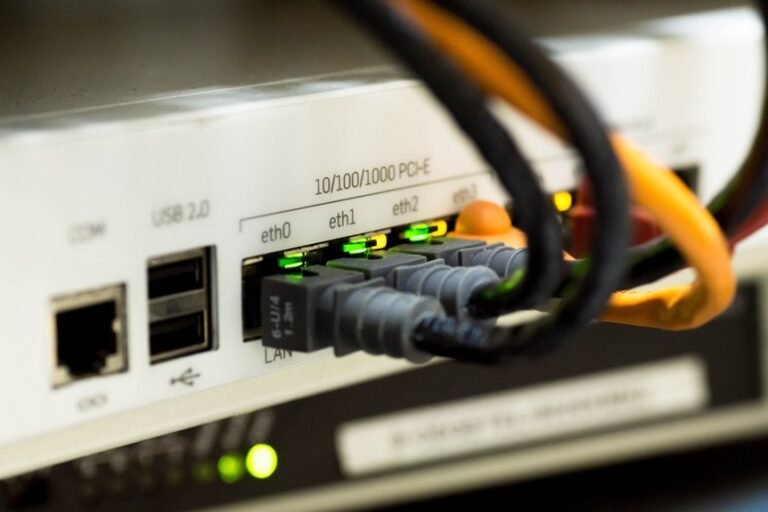
To access the 168.110.2 router admin page, a device must be connected to the router’s network via wired Ethernet or a wireless connection. The interface provides access controls, firmware updates, and network segmentation options, enabling structured, autonomous management. Parental controls can be configured for content filtering and time limits, while update schedules maintain security without compromising freedom.
Secure defaults and password practices establish the baseline for router security after establishing access via the local admin page.
Robust password management reduces exposure to credential theft, enforces rotation, and minimizes reuse across services.
Default credentials must be replaced, verified, and hardened with complex entropy.
Documentation, auditing, and MFA options should be considered where available to sustain durable defense.
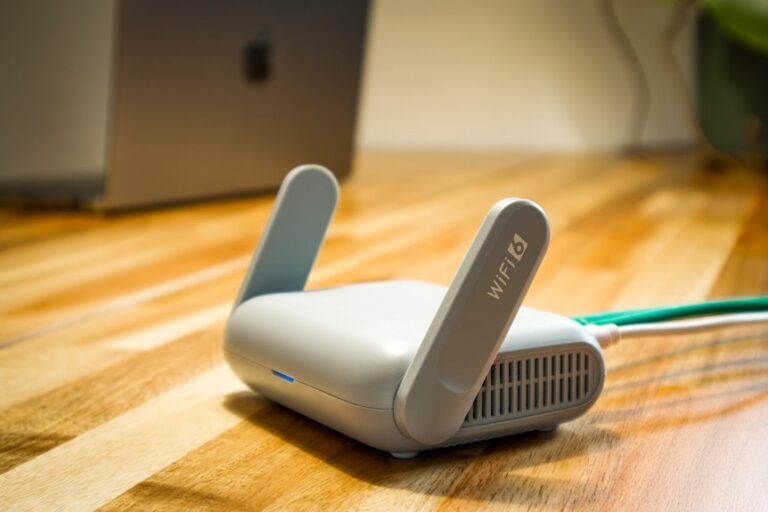
Setting up wireless involves configuring the SSID, selecting appropriate security settings, and establishing a guest network that isolates unsecured devices from the main network.
The process prioritizes SSID configuration precision, choosing robust encryption, and passphrase management.
The guest network isolation rule ensures that devices on the guest segment cannot access core resources, preserving operational freedom while maintaining security boundaries and performance.
Firewall rules and basic network security for home or small office environments establish a disciplined approach to traffic control and threat mitigation. The section outlines firewall basics, rule prioritization, and network segmentation to minimize exposure. It emphasizes default-deny posture, logging, and regular rule audits. Basic hardening practices, firmware updates, and secure remote access reinforce resilient perimeters for freedom-loving setups.
An individual should update firmware manually by downloading the latest image, performing a manual install on the router, and verifying integrity. Then configure port forwarding and remote access, ensuring security and documented rollback options for freedom-minded management.
“Time is money.” The answer: Yes, bandwidth management allows device prioritization by QoS rules, enabling higher priority for chosen devices while throttling others, preserving performance. The technique relies on router QoS configuration and clear traffic classification for device prioritization.
DNS performance varies by provider; most modern routers support major DNS services. In terms of Router compatibility, prefer providers offering IPv6, DNSSEC, and fast response times. Freedom-oriented technophiles should test across multiple servers for optimal performance.
VPN access for remote work is configured by enabling the router’s VPN server, exporting profiles, and testing connections; firmware update may be required, consult the manual for exact steps. It supports secure, freedom-driven remote access.
A forgotten admin password can be resolved via authenticated password reset milestones, enabling a secure recovery path; firmware rollout strategies may influence access controls, while device bandwidth shaping remains unaffected, ensuring governance without compromising autonomy or freedom during the reset process.
The 168.110.2 router setup yields a disciplined, defense-in-depth posture: access control via wired or wireless admin pages, strong, unique credentials, MFA where possible, and routine audits. Wireless is configured with a robust SSID, strong encryption, and guest isolation to minimize exposure. Firewall rules and logging accompany ongoing firmware updates. As the saying goes, “A chain is only as strong as its weakest link”—and meticulous configuration keeps each link firm.